Car Tail Tunnel 4 Season Tent - Naturehike

Car Tail Tunnel 4 Season Tent

Regular price$888.99
/
Shipping calculated at checkout.

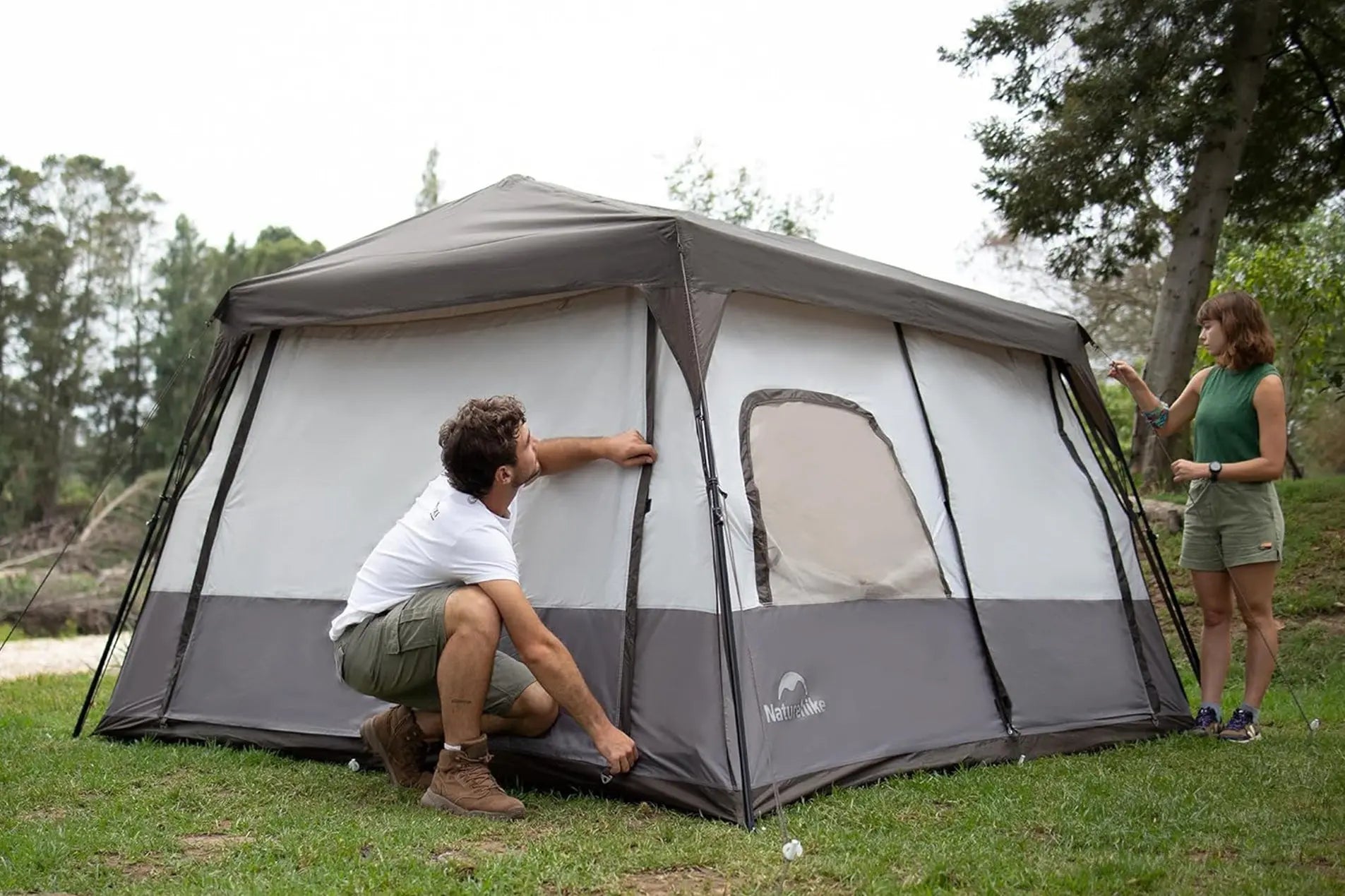
Introducing the Car Tail Tunnel Tent & a versatile and convenient outdoor shelter designed to enhance your camping and travel experiences. This innovative tent combines ease of assembly, portability, and multi-functionality, making it an ideal companion for adventurers and families alike.

Key Features:

  • Easy Assembly and Use: The Car Tail Tunnel Tent is designed with user convenience in mind. Lightweight and easy to carry, this high-quality tent weighs approximately 44.1 lbs (21 kg). The straightforward assembly process ensures that you can quickly set up and start enjoying your outdoor activities without any hassle.
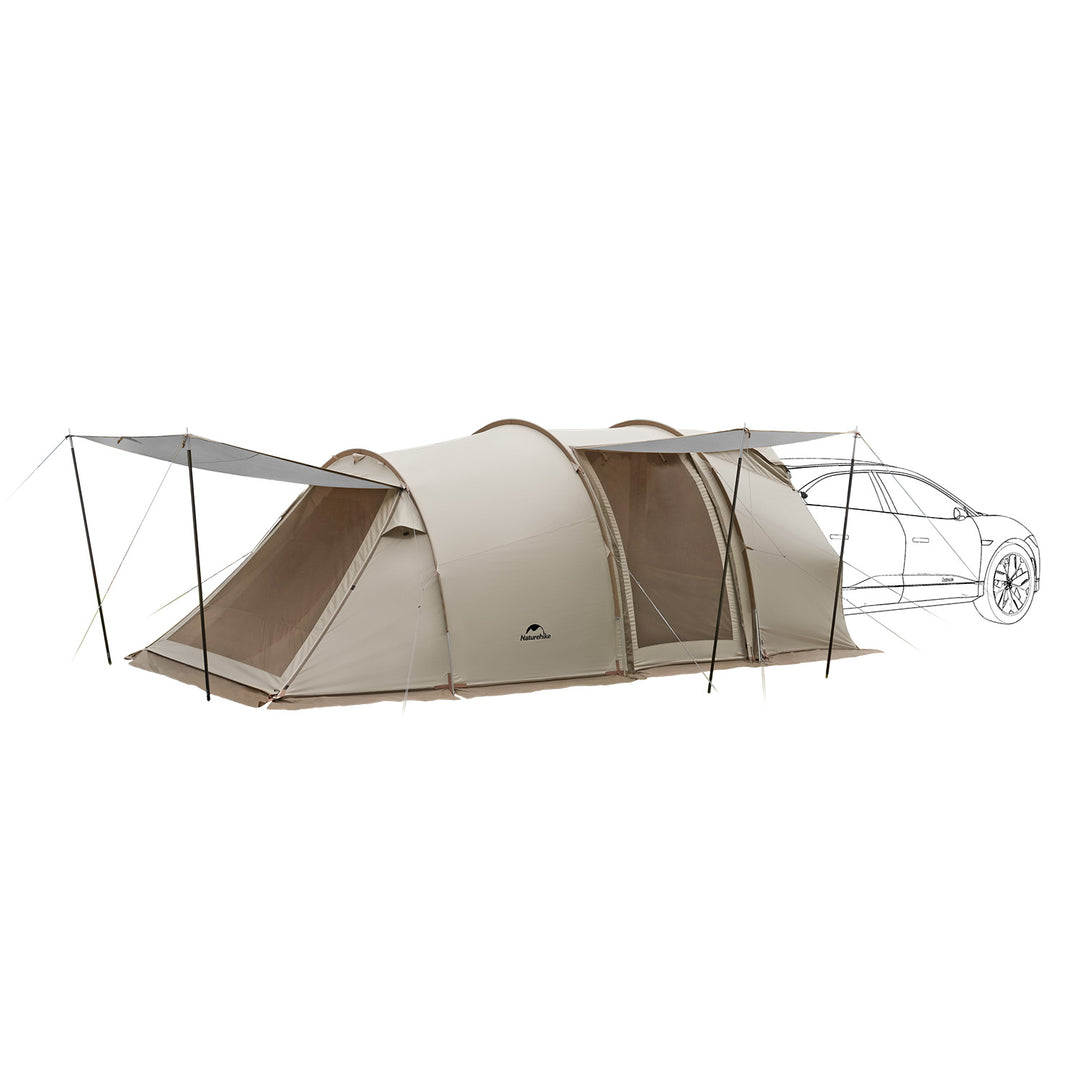
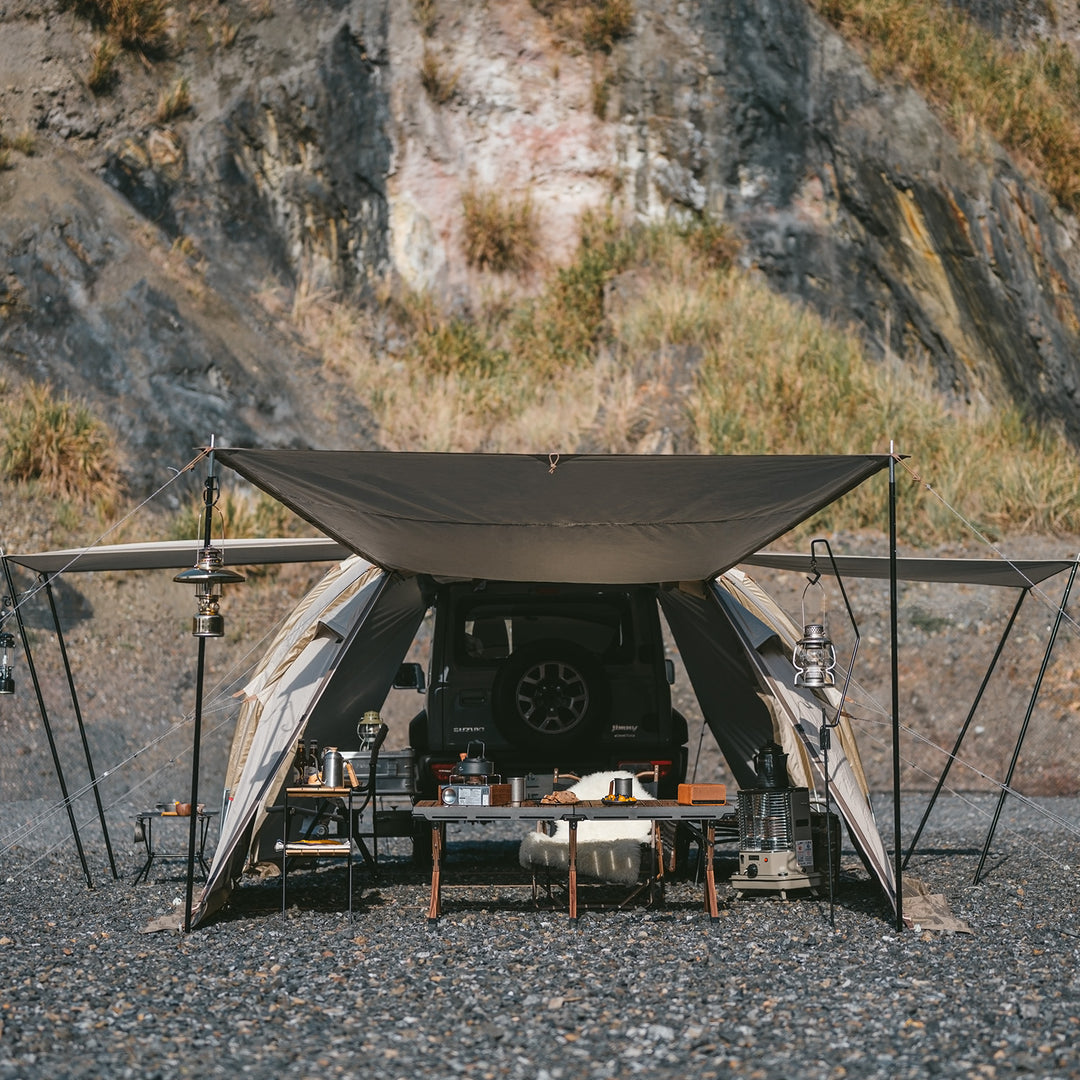
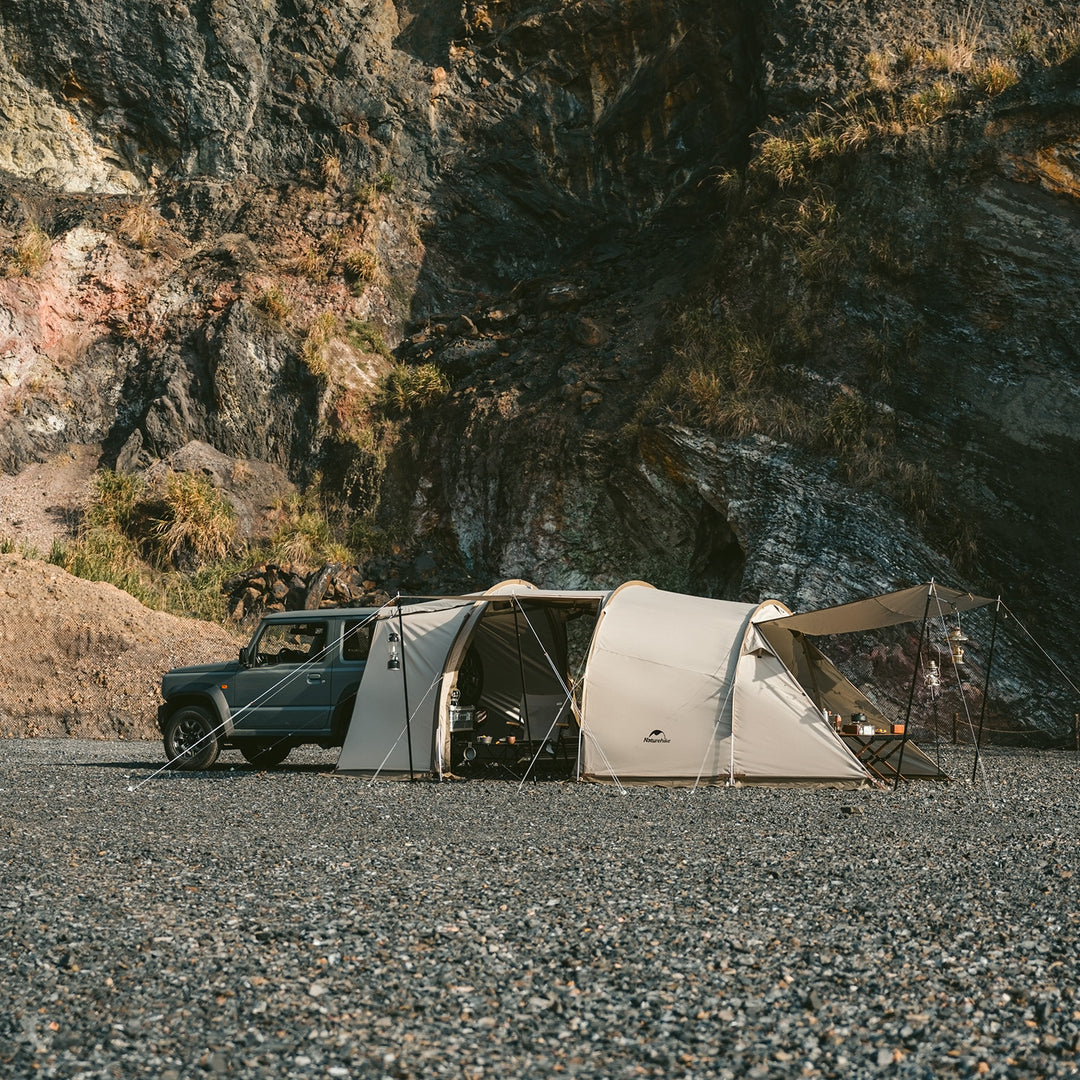
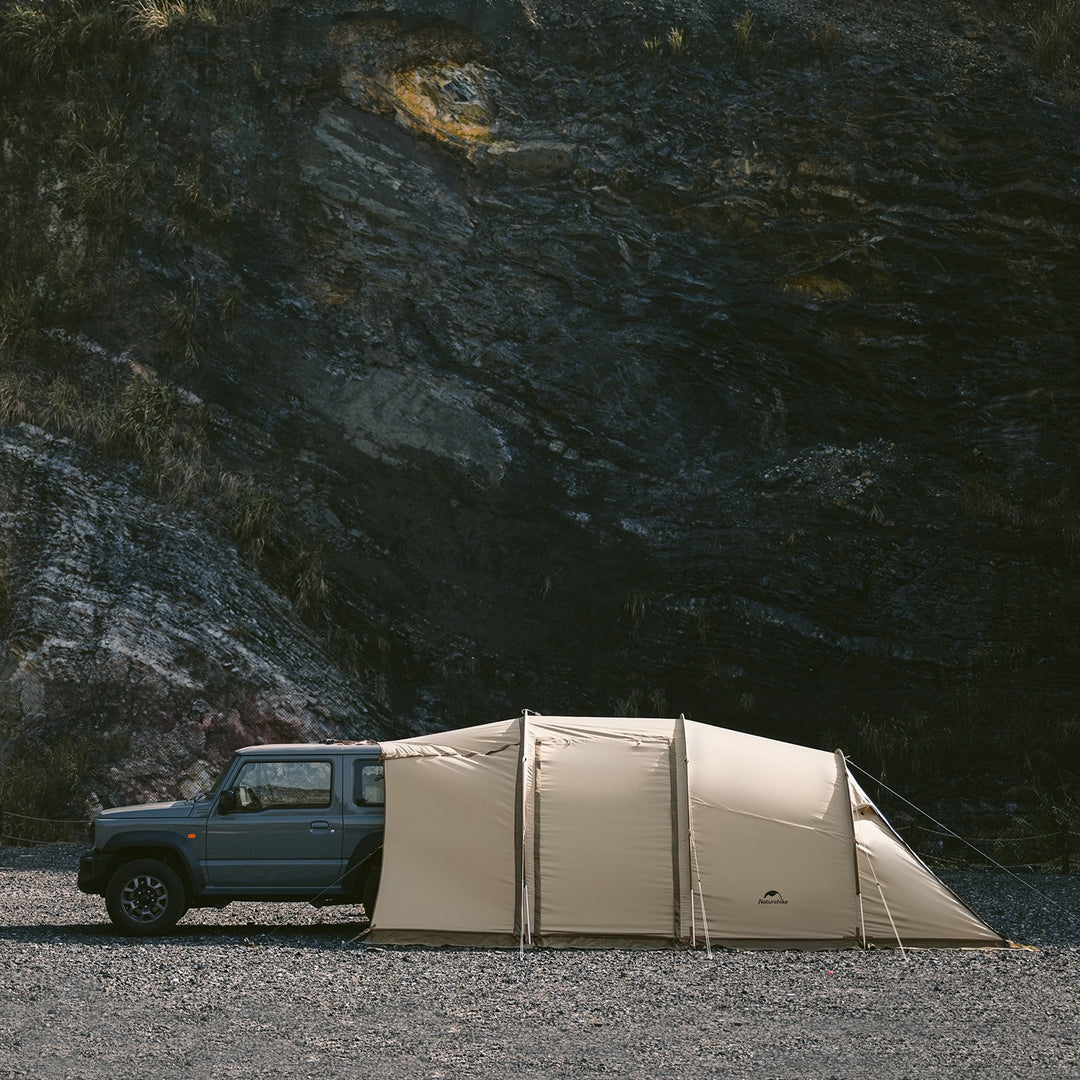
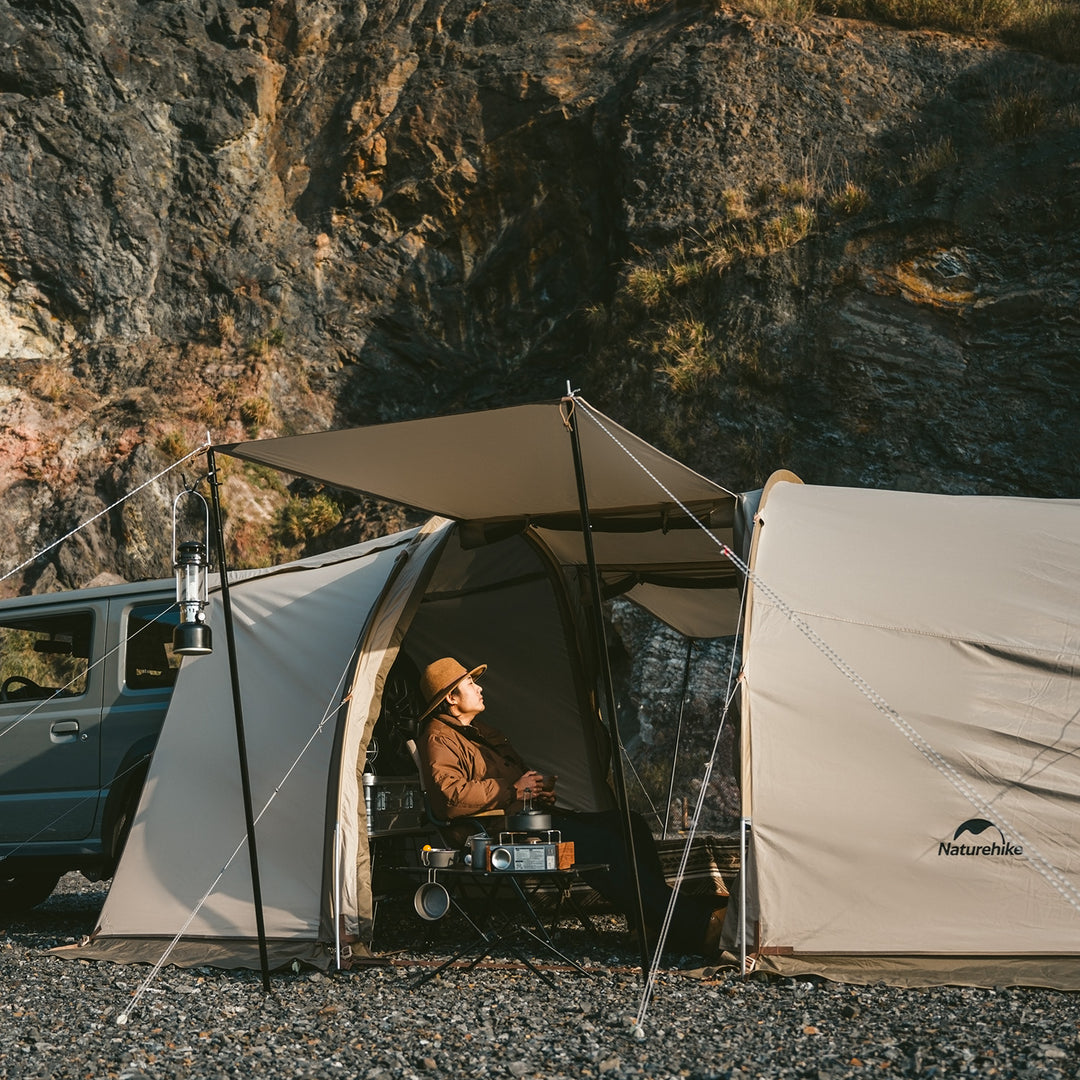
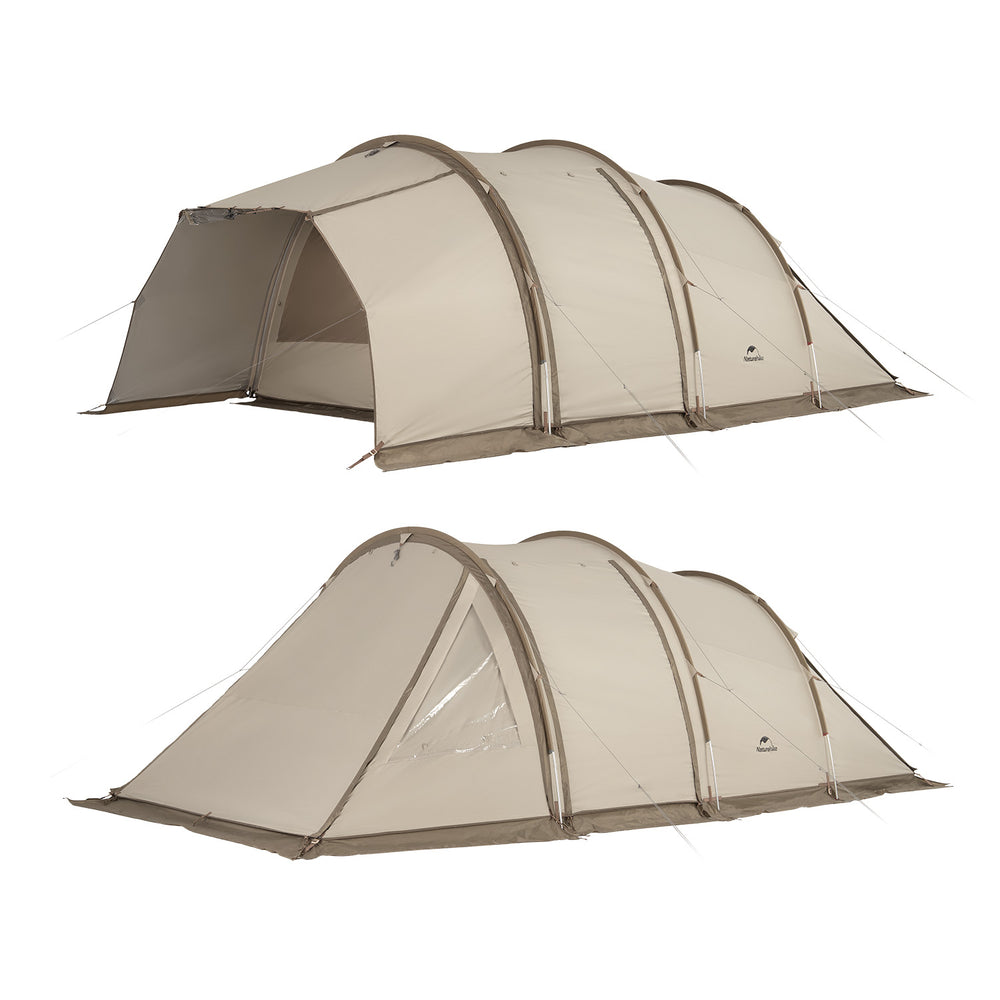
  • Portability: Equipped with a dedicated storage bag, the tent is effortless to transport and store. Its unique design allows it to be attached to the back of your car, transforming it into an additional living space and maximizing your storage capacity.
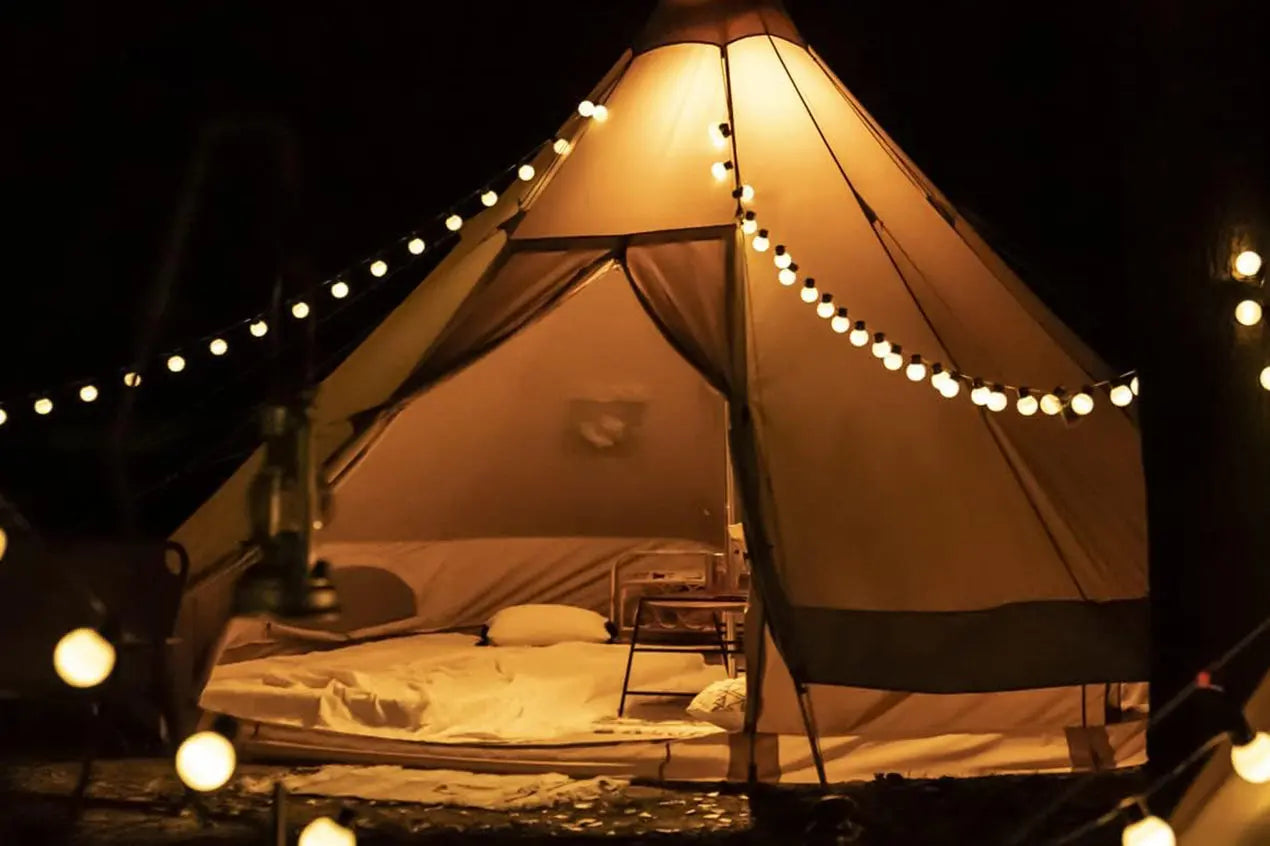
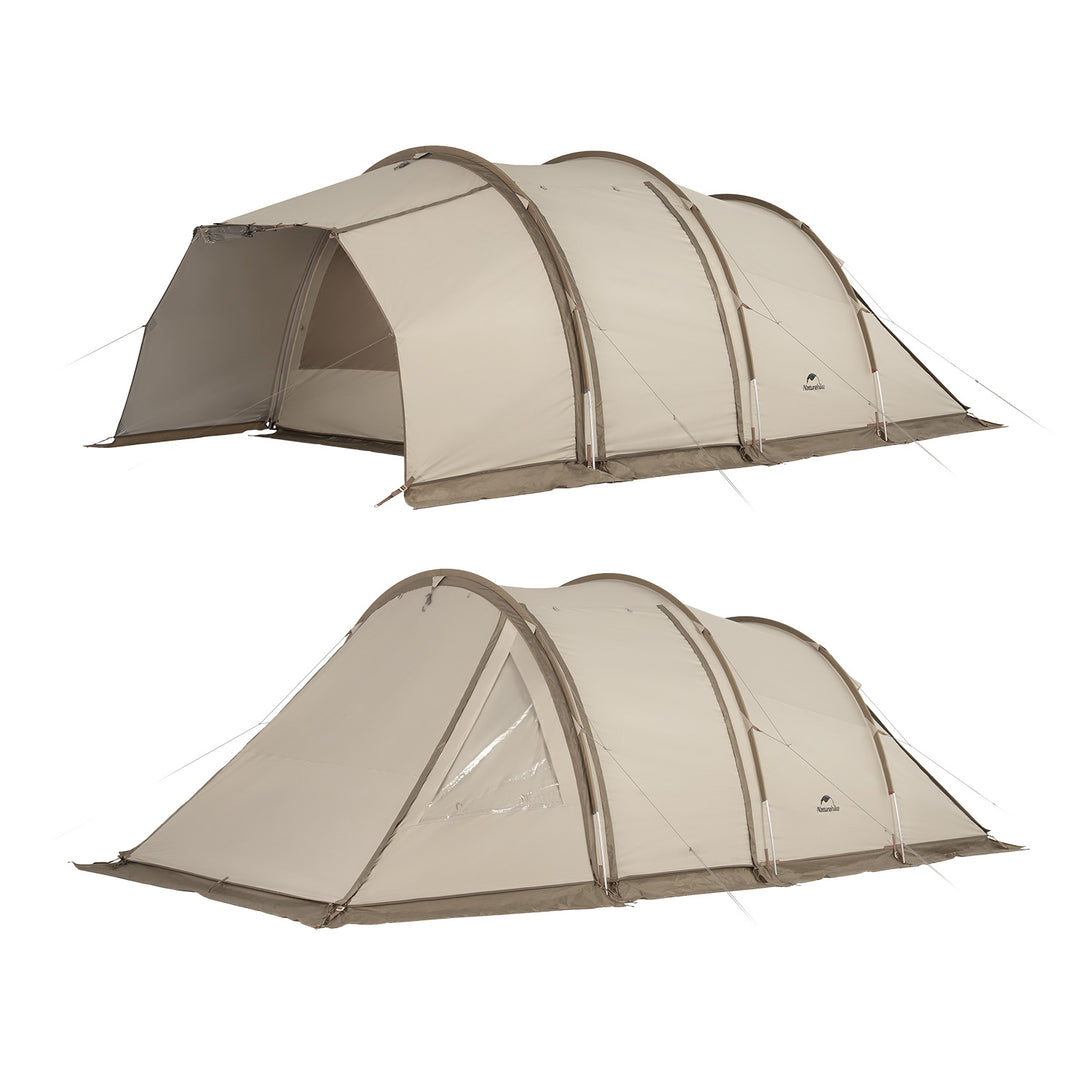
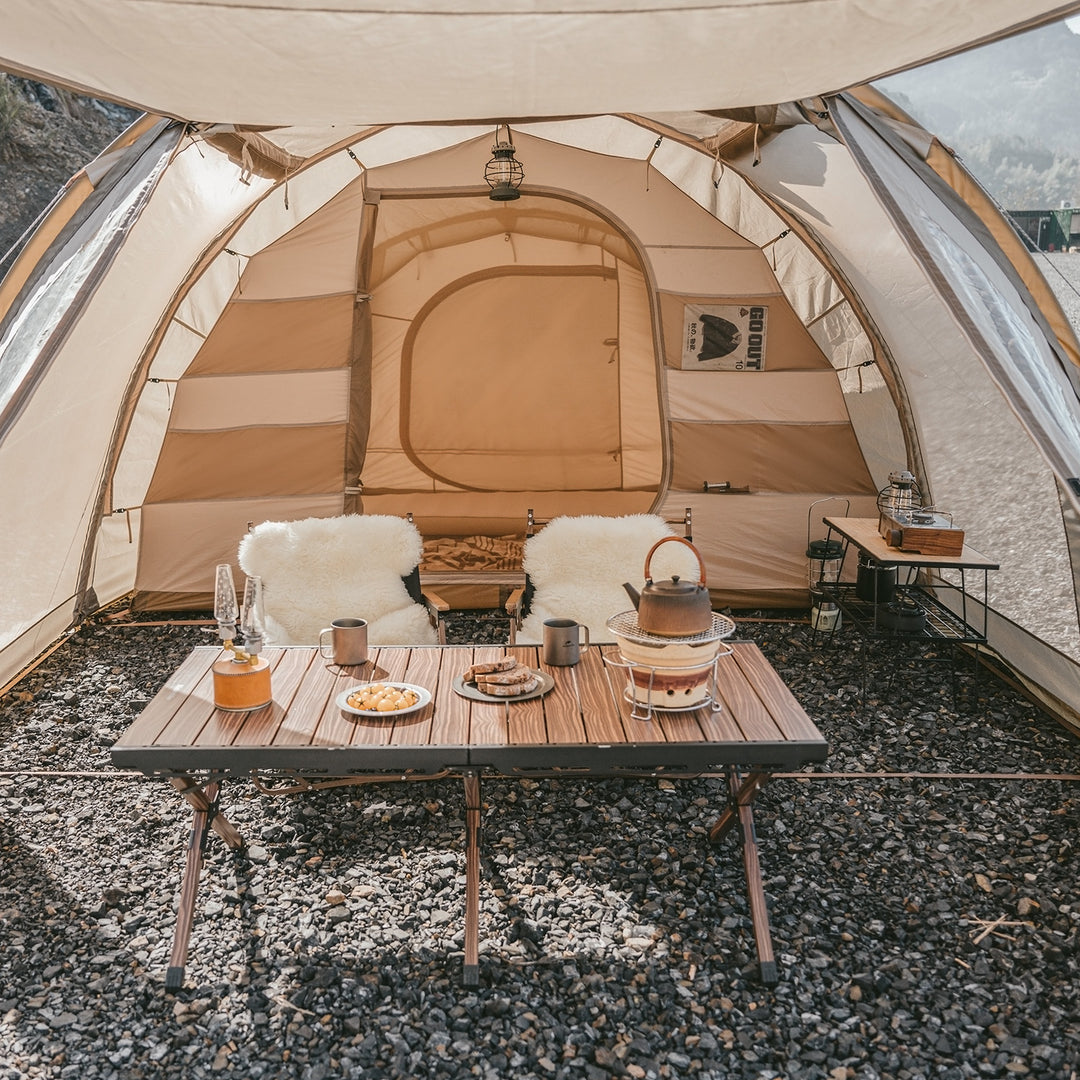
  • Multi-Functional Design: This adaptable tent serves dual purposes as both a tunnel tent and a car tail tent. It provides extra privacy and space for you and your family, whether you're camping or need a quick shelter during rainy days. Its versatility makes it a valuable addition to any outdoor excursion.
  • Durable and Reliable: Constructed from high-quality waterproof materials and supported by a robust steel frame, this tent guarantees long-term durability and reliability. It is built to withstand various weather conditions, offering a safe and dependable shelter no matter where your adventures take you.
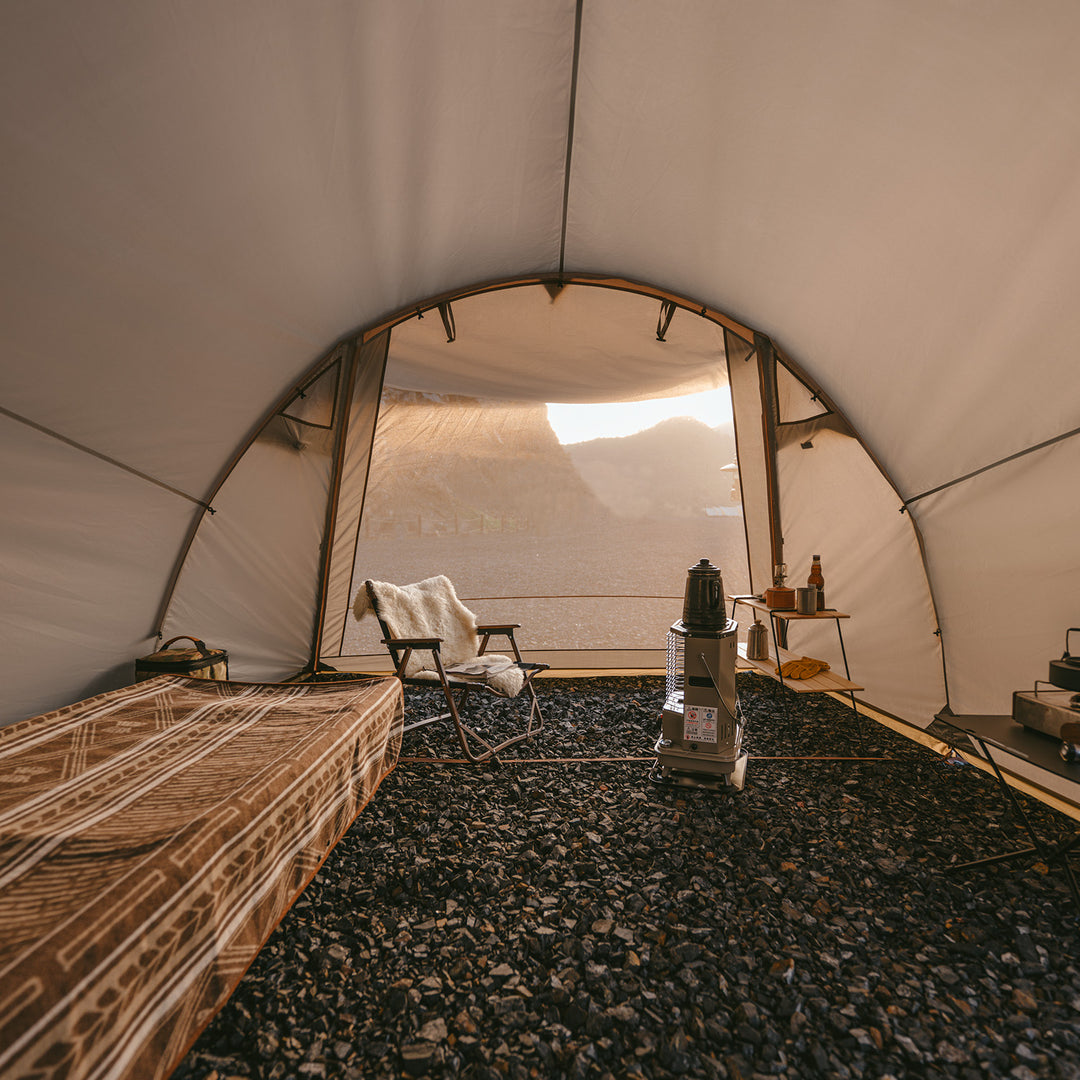
  • Spacious Interior: Measuring 22.4 x 122.2 x 76.8 inches (570 x 310 x 195 cm), the tent is spacious enough to comfortably accommodate up to four people. The generous interior space allows for easy movement and provides ample room for everyone to enjoy their surroundings while staying protected.
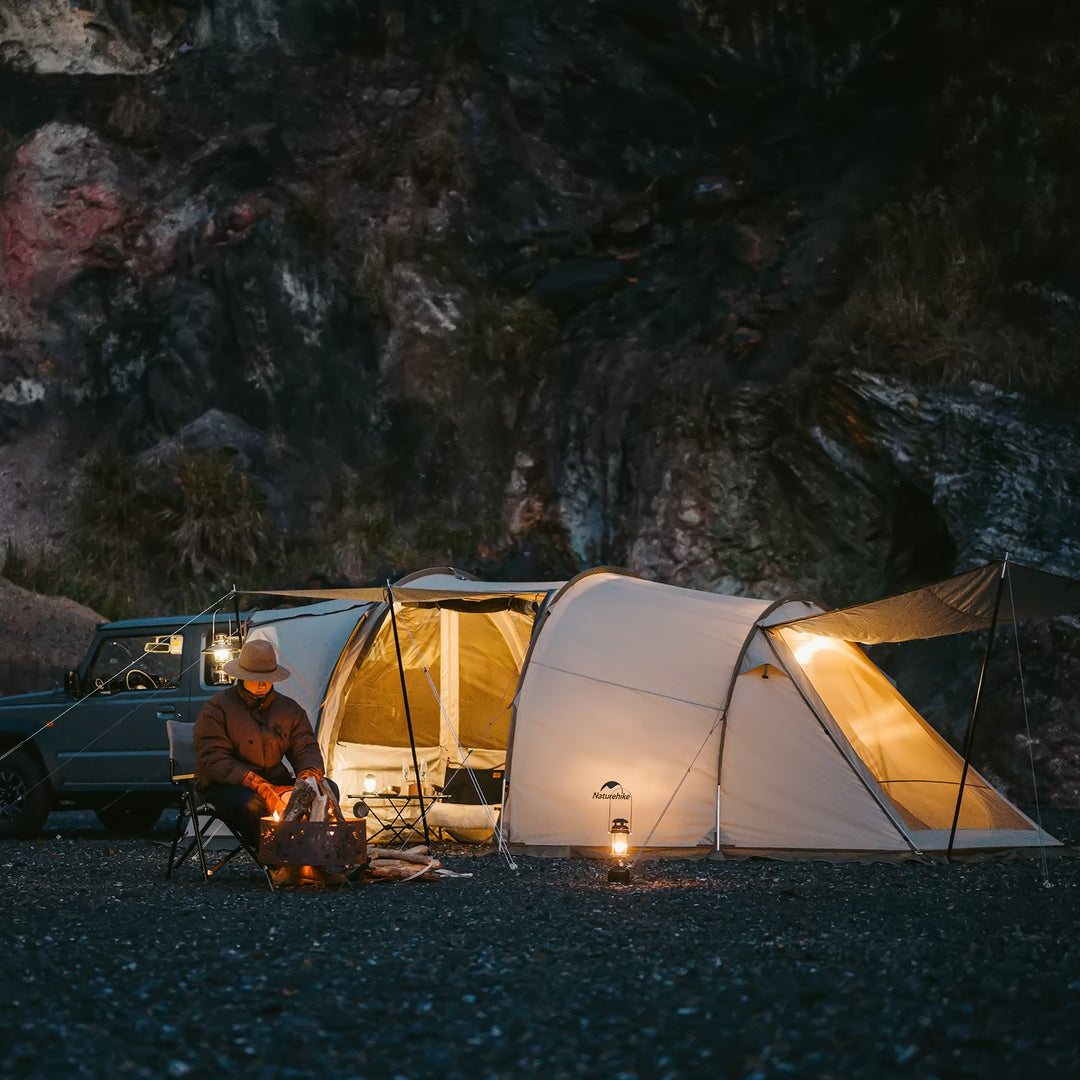
  • Enjoy Nature with Comfort: With its wide design and large windows, the Car Tail Tunnel Tent offers a panoramic view of the outdoors, allowing you to stay connected with nature while enjoying the comfort and security of your shelter.

Whether you're planning a camping trip, a road trip, or simply need a reliable shelter for unexpected weather, the Car Tail Tunnel Tent is the perfect solution. Its combination of functionality, ease of use, and durability ensures that you and your family will have a comfortable and enjoyable outdoor experience every time.


🌿
Labor Day Sale Save 12% OFF on orders with Code: Labor12
Labor12

Inner Tent / Outer Tent / Removable Car-Connecting Module / Removable Partition/ Bundling Straps x2 / Aluminum Alloy Tent Pole x3 / Aluminum Alloy Support Pole x2 / Wind Rope x10 (8 Tied To The Tent) / Suction Cup x4 / Ground Spike x32 / Storage Bag

Thank you for your order!

  • We'll process your order within 2 business days of receiving payment.
  • If any issues arise, we'll notify you promptly.

Estimated delivery times:

  • Local warehouse: 5–10 business days
  • China warehouse: 10–18 business days(may vary by region)

Please note: to ensure your tracking number remains valid—especially on China-origin shipments that may generate intermediate tracking numbers—there may be a short delay before we upload it. We appreciate your patience and support!

We Believe in What We Build

At NATUREHIKE, we understand the importance of reliable gear in the backcountry. That’s why our products are engineered to meet the highest quality standards and rigorously tested before reaching you.

Return & Exchange

Conditions of return


  • Returns must be made within 7 days of receipt.
  • Items must be new, unused, and in original condition.
  • Includes all original tags, packaging, and components.
  • Proof of purchase is required.

Damaged Items

If your product arrives damaged due to packaging issues, please contact us within 3 days of receipt, and we will arrange a replacement.

Warranty

If you encounter an issue covered by the NATUREHIKE Limited Warranty, please contact our team for assistance. We’re here to help you get started.

Contact Us

Selected Image
CAPACITY
  • 4 Person
MATERIAL
  • External Tent Material: 150D Polyester Oxford Silver-Coated Cloth PU2000mm
  • Inner Tent Material: 63D 210T Polyester Cloth
  • Bottom Tent Material: 150D Polyester Oxford Cloth PU3000mm
WATERPROOF INDEX
  • 3000mm
WEIGHT
  • 44.1 lb|21 kg
TENT SIZE
  • 22.4 x 122.2 x 76.8 in |570 x 310 x 195 cm
STORAGE SIZE
  • 30 ×14 ×10  in | 77 x 36 x 26 cm
Selected Image

Installation Steps

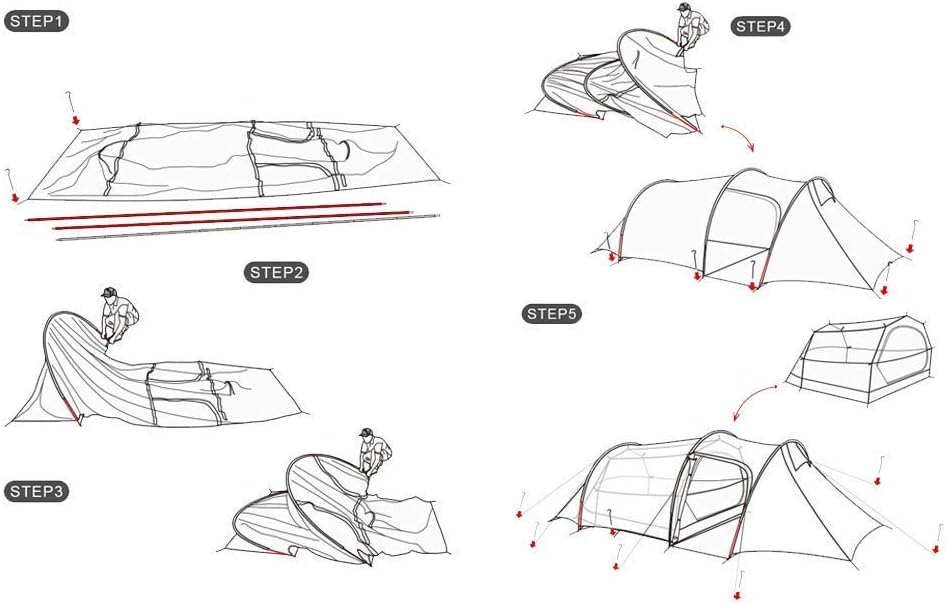
Step 1:

  • Unfold and lay out the tent fabric, then assemble the tent poles.

Step 2:

  • Slide the tent pole into the pipe sleeve indicated by the corresponding color, and secure it by clipping it to the locking tabs on either side of the sleeve.

Step 3:

  • Hammer in the ground stake to fix one end, lift up the tent and straighten it out, then secure the other end.

Step 4:

  • Attach the hook and buckle of the tent pole, make any necessary adjustments, and then hammer in the remaining stakes.

Step 5:

  • Tighten the guy lines and secure them in place to complete the set-up.

When choosing a backpacking tent, consider weight, capacity, interior space, weather conditions, and the type of trips you usually take.

For long-distance hiking or trips where keeping pack weight low is important, a lightweight and compact tent is usually the better choice. For example, Naturehike's Cloud Up series is designed with lightweight backpacking and compact packing in mind.

If you value more living space and easier access, look for features such as dual doors, larger vestibules, and a roomier interior. Naturehike's Mongar series, for example, places more emphasis on space and convenient access.

You should also consider the weather and terrain you expect to encounter. The best backpacking tent is not simply the lightest one—it should offer the right balance of weight, space, weather protection, and comfort for your trip.

Tent capacity is a useful starting point, but the right size also depends on how much personal space and gear storage you need.

  • 1-person tents are ideal for solo backpackers who prioritize lower weight and a compact packed size.
  • 2-person tents are a versatile choice for two hikers or solo backpackers who prefer extra sleeping and gear space.
  • 3-person tents work well for small groups or two people who want a roomier setup.

When comparing tents, don't look at capacity alone. Check the floor dimensions, peak height, number of doors, and vestibule space as well. Naturehike offers backpacking tents in different capacities and layouts, so two tents with the same capacity may still feel very different inside.

  • A 3-season tent is primarily designed for spring, summer, and fall conditions. It typically prioritizes ventilation and lower weight while providing protection from rain and moderate wind.
  • A 4-season tent is designed for more demanding conditions, including colder temperatures, stronger winds, and potential snow. These tents generally use stronger structures, greater fabric coverage, and less mesh than typical 3-season designs.

Naturehike offers both 3-season backpacking tents and models designed for more demanding 4-season conditions. Choose based on the weather, temperature, wind, and terrain you expect to encounter rather than the season name alone.

Always check the individual model's intended use and specifications before heading into challenging conditions.

A tent's waterproof rating, measured in millimeters (mm), indicates how much water pressure the fabric can withstand before water begins to penetrate. This measurement is commonly known as the hydrostatic head rating.

For example, a 3000 mm waterproof rating means the fabric can withstand the pressure of a 3-meter column of water under standardized test conditions.

A simple guide to waterproof ratings:

  • 1,500–2,000 mm: Suitable for light to moderate rain and typical fair-weather camping.
  • 3,000 mm: A solid all-around level for backpacking and camping in common rainy conditions.
  • 4,000–5,000 mm: Provides greater water resistance for wetter conditions and more frequent rain.
  • 5,000 mm+: Higher water resistance for more demanding wet-weather use, depending on the tent's overall design.

Naturehike backpacking tents use different waterproof ratings depending on the model, fabric, and intended use. A higher rating generally indicates greater fabric water resistance, but it doesn't automatically mean better overall rain protection.

Actual performance also depends on tent construction, seam treatment, rainfly coverage, proper pitching, and campsite conditions. Always check the specifications of the individual model when comparing tents.

Condensation forms when warm, moisture-rich air inside the tent meets a cooler surface. High humidity, low temperatures, wet ground or gear, and moisture from breathing can all contribute.

To help reduce condensation:

  • Keep vents open whenever conditions allow.
  • Use mesh panels and doors to improve airflow.
  • Avoid storing wet clothing or gear inside the sleeping area when possible.
  • Properly tension the rainfly to maintain airflow between the inner tent and rainfly.
  • Choose a well-ventilated campsite whenever possible.

Many Naturehike backpacking tents use a double-wall design, with a separate inner tent and rainfly, to help manage ventilation and moisture. However, some condensation is normal in humid, cold, or rainy conditions and does not necessarily mean the tent is leaking.

  1. Regular cleaning and proper storage can help extend the life of your tent. For light dirt, gently wipe or rinse the affected areas with clean water. For heavier cleaning, use lukewarm water, a soft sponge, and a mild cleaner suitable for outdoor fabrics.
  2. Avoid bleach, harsh detergents, dry cleaning, machine washing, and machine drying, as these can damage the fabric, seam treatment, or waterproof coatings.
  3. After each trip, make sure your tent is completely dry before storing it. Packing away a wet or damp tent for an extended period can lead to mildew, odors, and damage to the fabric or waterproof coating.
  4. Store your Naturehike tent in a cool, dry place away from prolonged heat, moisture, and direct sunlight.
Selected Image
CAPACITY
  • 4 Person
MATERIAL
  • External Tent Material: 150D Polyester Oxford Silver-Coated Cloth PU2000mm
  • Inner Tent Material: 63D 210T Polyester Cloth
  • Bottom Tent Material: 150D Polyester Oxford Cloth PU3000mm
WATERPROOF INDEX
  • 3000mm
WEIGHT
  • 44.1 lb|21 kg
TENT SIZE
  • 22.4 x 122.2 x 76.8 in |570 x 310 x 195 cm
STORAGE SIZE
  • 30 ×14 ×10  in | 77 x 36 x 26 cm
Selected Image

Installation Steps

Step 1:

  • Unfold and lay out the tent fabric, then assemble the tent poles.

Step 2:

  • Slide the tent pole into the pipe sleeve indicated by the corresponding color, and secure it by clipping it to the locking tabs on either side of the sleeve.

Step 3:

  • Hammer in the ground stake to fix one end, lift up the tent and straighten it out, then secure the other end.

Step 4:

  • Attach the hook and buckle of the tent pole, make any necessary adjustments, and then hammer in the remaining stakes.

Step 5:

  • Tighten the guy lines and secure them in place to complete the set-up.

When choosing a backpacking tent, consider weight, capacity, interior space, weather conditions, and the type of trips you usually take.

For long-distance hiking or trips where keeping pack weight low is important, a lightweight and compact tent is usually the better choice. For example, Naturehike's Cloud Up series is designed with lightweight backpacking and compact packing in mind.

If you value more living space and easier access, look for features such as dual doors, larger vestibules, and a roomier interior. Naturehike's Mongar series, for example, places more emphasis on space and convenient access.

You should also consider the weather and terrain you expect to encounter. The best backpacking tent is not simply the lightest one—it should offer the right balance of weight, space, weather protection, and comfort for your trip.

aaa

Tent capacity is a useful starting point, but the right size also depends on how much personal space and gear storage you need.

  • 1-person tents are ideal for solo backpackers who prioritize lower weight and a compact packed size.
  • 2-person tents are a versatile choice for two hikers or solo backpackers who prefer extra sleeping and gear space.
  • 3-person tents work well for small groups or two people who want a roomier setup.

When comparing tents, don't look at capacity alone. Check the floor dimensions, peak height, number of doors, and vestibule space as well. Naturehike offers backpacking tents in different capacities and layouts, so two tents with the same capacity may still feel very different inside.

aaa
  • A 3-season tent is primarily designed for spring, summer, and fall conditions. It typically prioritizes ventilation and lower weight while providing protection from rain and moderate wind.
  • A 4-season tent is designed for more demanding conditions, including colder temperatures, stronger winds, and potential snow. These tents generally use stronger structures, greater fabric coverage, and less mesh than typical 3-season designs.

Naturehike offers both 3-season backpacking tents and models designed for more demanding 4-season conditions. Choose based on the weather, temperature, wind, and terrain you expect to encounter rather than the season name alone.

Always check the individual model's intended use and specifications before heading into challenging conditions.

aaa

A tent's waterproof rating, measured in millimeters (mm), indicates how much water pressure the fabric can withstand before water begins to penetrate. This measurement is commonly known as the hydrostatic head rating.

For example, a 3000 mm waterproof rating means the fabric can withstand the pressure of a 3-meter column of water under standardized test conditions.

A simple guide to waterproof ratings:

  • 1,500–2,000 mm: Suitable for light to moderate rain and typical fair-weather camping.
  • 3,000 mm: A solid all-around level for backpacking and camping in common rainy conditions.
  • 4,000–5,000 mm: Provides greater water resistance for wetter conditions and more frequent rain.
  • 5,000 mm+: Higher water resistance for more demanding wet-weather use, depending on the tent's overall design.

Naturehike backpacking tents use different waterproof ratings depending on the model, fabric, and intended use. A higher rating generally indicates greater fabric water resistance, but it doesn't automatically mean better overall rain protection.

Actual performance also depends on tent construction, seam treatment, rainfly coverage, proper pitching, and campsite conditions. Always check the specifications of the individual model when comparing tents.

aaa

Condensation forms when warm, moisture-rich air inside the tent meets a cooler surface. High humidity, low temperatures, wet ground or gear, and moisture from breathing can all contribute.

To help reduce condensation:

  • Keep vents open whenever conditions allow.
  • Use mesh panels and doors to improve airflow.
  • Avoid storing wet clothing or gear inside the sleeping area when possible.
  • Properly tension the rainfly to maintain airflow between the inner tent and rainfly.
  • Choose a well-ventilated campsite whenever possible.

Many Naturehike backpacking tents use a double-wall design, with a separate inner tent and rainfly, to help manage ventilation and moisture. However, some condensation is normal in humid, cold, or rainy conditions and does not necessarily mean the tent is leaking.

aaa
  1. Regular cleaning and proper storage can help extend the life of your tent. For light dirt, gently wipe or rinse the affected areas with clean water. For heavier cleaning, use lukewarm water, a soft sponge, and a mild cleaner suitable for outdoor fabrics.
  2. Avoid bleach, harsh detergents, dry cleaning, machine washing, and machine drying, as these can damage the fabric, seam treatment, or waterproof coatings.
  3. After each trip, make sure your tent is completely dry before storing it. Packing away a wet or damp tent for an extended period can lead to mildew, odors, and damage to the fabric or waterproof coating.
  4. Store your Naturehike tent in a cool, dry place away from prolonged heat, moisture, and direct sunlight.
aaa

Embrace the Outdoors with Naturehike

Naturehike products are crafted with precision and durability, trusted by outdoor enthusiasts worldwide. Enjoy unparalleled quality and comfort on every adventure.

Breathable Series Fabrics

Breathable Fabrics

Robust and Durable

Robust and Durable

Double Protection

Certified Protection

You may also like